The Link Between Gum Disease and Periodontal Treatment Ventura
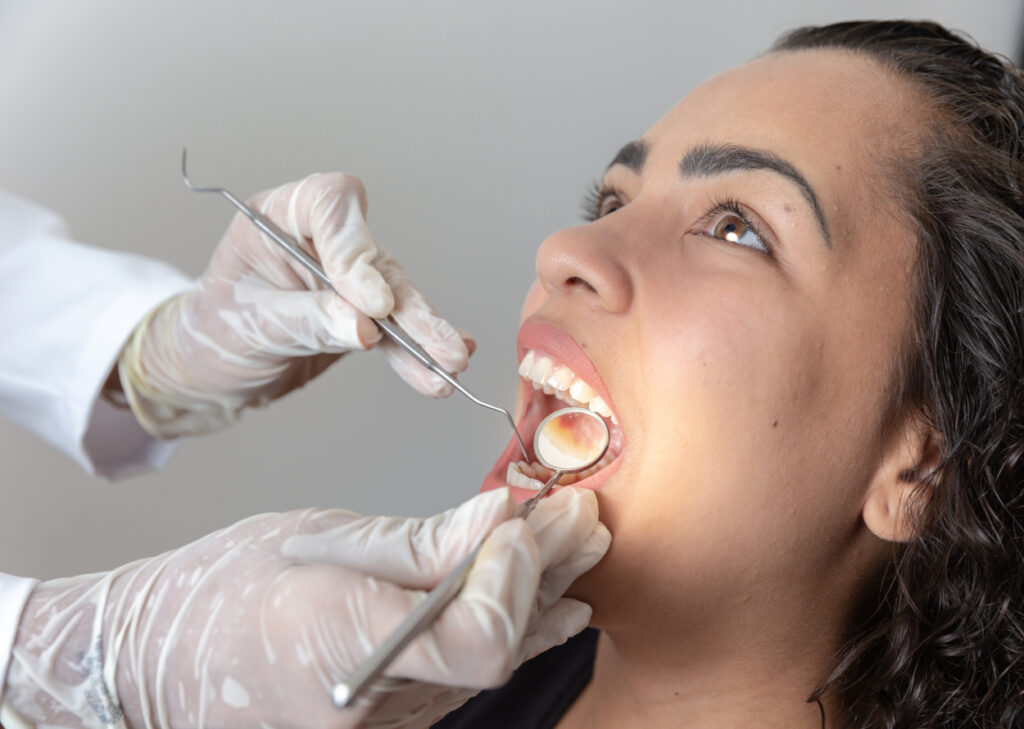

Gum disease rarely starts with drama. More often, it begins with a little bleeding in the sink, mild tenderness near a back tooth, or breath that seems harder to freshen no matter how often you brush. Many people dismiss those signs because they do not hurt much, at least not at first. That is part of the problem. Periodontal disease is usually quiet in the early stages, but the damage can become serious long before a person feels alarmed enough to call the dentist.
For patients seeking Periodontal Treatment Ventura, understanding that link matters. Treatment is not a separate issue from gum disease. It is the direct response to a condition that affects the tissues holding the teeth in place. If the disease is caught early, care can be relatively straightforward. If it is ignored, treatment often becomes more involved, more expensive, and more important for preserving long term oral health.
Dentists and periodontists see this pattern constantly. A patient comes in because a crown feels loose, or because one side of the mouth is suddenly sensitive when chewing. The real issue turns out to be deeper, often below the gumline, where inflammation has already begun to weaken the supporting bone. That is why gum disease and periodontal treatment are inseparable topics. One leads to the other, and the earlier that connection is recognized, the better the outcome tends to be.
What gum disease actually is
Gum disease, also called periodontal disease, is an inflammatory condition caused primarily by bacterial plaque that builds up on teeth and along the gumline. When plaque is not removed thoroughly, it hardens into tartar, which is much more difficult to clean off at home. The bacteria in plaque and tartar irritate the gums. The body responds with inflammation, and over time that inflammatory response starts damaging the tissue and bone supporting the teeth.
The earliest stage is gingivitis. At this point, gums may look redder than usual, feel puffy, and bleed during brushing or flossing. Gingivitis is often reversible with professional cleaning and improved home care. Once the inflammation extends deeper and begins affecting the attachment around the teeth, the condition progresses to periodontitis. That shift matters because periodontitis can cause permanent structural damage.
A healthy gumline fits snugly around the teeth. With periodontal disease, the gums can begin to detach, creating pockets where more bacteria collect. Those pockets become difficult to clean with a toothbrush or floss alone. As infection and inflammation continue, bone loss can follow. Teeth may eventually loosen, drift, or even require extraction.
This is the clinical reason people search for Periodontal Treatment Ventura. They are often not just looking for cleaner teeth. They are trying to stop a disease process that threatens the foundation of their smile.
Why so many people miss the warning signs
One of the frustrating features of gum disease is how easy it is to overlook. Cavities often announce themselves with sensitivity or pain. Periodontal problems may stay fairly subtle for months or years. A patient can have measurable bone loss and still describe their mouth as "fine."
The early warning signs are usually modest:
- bleeding when brushing or flossing
- persistent bad breath
- gums that appear swollen, shiny, or darker red
- gum recession, making teeth look longer
- tenderness when chewing, or a tooth that feels slightly different
None of those symptoms automatically means advanced periodontal disease, but all deserve attention. Bleeding gums, in particular, should not be treated as normal. Many people assume they simply need to floss less aggressively. In practice, bleeding often signals inflammation. If it happens regularly, it is worth investigating.
There is also a psychological piece. People get used to gradual changes. A person who has had low grade gum inflammation for years may not realize how much their gums have receded until an older family photo makes it obvious. By then, treatment may involve more than a routine cleaning.
The biological chain from plaque to bone loss
At first glance, gum disease can seem like a surface problem. The reality is more complex. Periodontal disease is not just a matter of "dirty teeth." It is the interaction between bacteria and the body's immune response.
Plaque bacteria release toxins that irritate the gum tissue. The immune system responds by sending inflammatory cells to the area. That reaction is meant to protect the body, but when it becomes chronic, it starts breaking down the very tissues it is trying to defend. Connective fibers weaken. The attachment between tooth and gum begins to fail. Bone can resorb over time.
This is why a patient with periodontitis may not improve simply by brushing a little longer each night. Once pockets have formed and tartar has accumulated beneath the gums, professional intervention is usually necessary. Home care remains essential, but it cannot fully reverse established periodontal destruction.
A useful way to think about it is this: gingivitis is often a warning, periodontitis is structural disease. Periodontal treatment exists to interrupt that progression and stabilize the mouth before more support is lost.
Who faces higher risk
Anyone can develop gum disease, but some patients are more vulnerable than others. Genetics play a role, as do daily habits and overall health. Two patients with similar brushing routines may show very different periodontal outcomes because their risk profiles differ.
Smoking is one of the strongest risk factors seen in dental practice. Tobacco restricts blood flow to the gums, interferes with healing, and can mask obvious signs such as bleeding. Smokers sometimes assume their gums are healthy because they do not bleed much, when in fact the disease is progressing quietly.
Diabetes is another major factor, especially when blood sugar is not well controlled. High glucose levels can impair healing and increase susceptibility to infection. The relationship goes both ways, too. Severe gum inflammation can make diabetic control more difficult.
Hormonal shifts, certain medications, chronic dry mouth, clenching, poor nutrition, and inconsistent dental care can all add to the risk. Stress should not be ignored either. People under heavy stress often neglect routine hygiene, grind their teeth, or experience immune changes that make inflammation harder to control.
Age increases exposure time, but gum disease is not only a problem for older adults. It is not unusual for people in their thirties or forties to need active periodontal treatment, especially if they have gone several years without a professional exam and cleaning.
What periodontal treatment is designed to do
The goal of periodontal treatment is not cosmetic, though the gums often look better after inflammation is reduced. The real objective is to remove bacterial deposits, decrease pocket depth where possible, reduce inflammation, and create conditions the patient can maintain at home.
Treatment varies depending on severity. For mild disease, a dentist may recommend a thorough professional cleaning combined with targeted home care changes and more frequent recalls. For established periodontitis, the standard starting point is often scaling and root planing, sometimes called deep cleaning. This procedure removes plaque and tartar from above and below the gumline and smooths the root surfaces so the gums can reattach more effectively.
That phrase, "deep cleaning," can sound almost spa-like, but it is real periodontal therapy. It addresses infection beneath the gums where routine prophylaxis cannot reach. Patients are often surprised by how much better the mouth feels afterward. Gums become less puffy, bleeding drops, and chewing may feel more stable after inflammation decreases.
In more advanced cases, treatment may include localized antibiotics, periodontal surgery, regenerative procedures, gum grafting, or referral to a periodontist. Not every patient needs that level of care, but when deeper pockets and bone loss are present, a more specialized plan may offer the best chance of keeping teeth long term.
For someone exploring Periodontal Treatment Ventura, the most useful question https://kylernabv186.ironwoodscope.com/posts/can-periodontal-treatment-ventura-help-with-bad-breath is not "What is the cheapest cleaning?" It is "What level of treatment matches the actual condition of my gums and bone?" That distinction matters.
What an evaluation usually includes
A periodontal evaluation is more detailed than many patients expect, and that is a good thing. Gum disease cannot be judged accurately by a quick glance alone. Dentists typically assess pocket depths around each tooth using a small measuring instrument, check for bleeding, note recession, evaluate mobility, and review x rays to look for bone loss.
A proper assessment may also consider bite forces, old dental work that traps plaque, and areas where crowding makes cleaning difficult. These details affect treatment planning. A molar with a deep pocket beside a poorly contoured crown may need a different strategy than a front tooth with mild recession from aggressive brushing.
Patients sometimes feel uneasy when they hear measurements called out during probing, especially if numbers like five or six millimeters come up. But the information is valuable. Those pocket depths help determine how far the disease has progressed and whether non surgical treatment is likely to be enough.
The first appointment can also reveal practical issues that shape success later. Does the patient have the dexterity to floss conventionally, or would interdental brushes work better? Is dry mouth from medication contributing to plaque buildup? Are there bridgework or implant areas that need specialized cleaning techniques? Good periodontal care is rarely one size fits all.
Deep cleaning versus regular cleaning
This is one of the most common sources of confusion in dental offices. A regular cleaning, often called a prophylaxis, is meant for mouths that are generally healthy or have only mild gingivitis. It removes plaque, tartar, and stains from accessible surfaces and helps prevent disease.
Scaling and root planing is different. It is treatment for active periodontal disease. The work extends below the gumline into infected pockets. The appointment may be done by quadrant, often with local anesthetic for comfort. It takes more time because the target is different. The clinician is not simply polishing visible buildup. They are detoxifying root surfaces and disrupting bacterial colonies in deeper areas.
Patients occasionally feel that a deep cleaning was "upsold" because the terminology sounds similar. In legitimate cases, the difference is based on diagnosis, not marketing. Pocketing, bone loss, bleeding, and subgingival calculus justify a different level of care. It is reasonable to ask questions about findings, but it is also important to recognize that periodontal disease cannot be managed adequately with a standard preventive cleaning once it has advanced.
How treatment feels during recovery
Most modern periodontal treatment is well tolerated. Deep cleanings can leave the gums mildly sore for a day or two, and there may be temporary sensitivity to cold, especially if tartar had been covering exposed root surfaces. Patients sometimes notice that spaces between teeth look more visible after inflammation goes down. That can be surprising, but it is usually a sign that swollen tissue has reduced, not that treatment caused new damage.
When surgery is necessary, recovery depends on the procedure. Gum grafting often involves a few days of tenderness and careful eating. Pocket reduction surgery may require a short period of modified hygiene and follow up visits. The important point is that untreated disease tends to create more discomfort, and much higher risk, over time than treatment does.
The emotional side deserves mention as well. Many patients feel guilty when they learn they have gum disease. That reaction is understandable, but it does not help. Periodontal disease is influenced by habits, yes, but also by biology, anatomy, systemic health, and access to care. The useful response is not shame. It is action.
Why maintenance matters after active treatment
Periodontal treatment is not a one time reset that makes ongoing care optional. Once a patient has had periodontitis, they remain more vulnerable to recurrence. The bacterial challenge never disappears completely, and pockets can deepen again if maintenance slips.
That is why periodontal maintenance visits are often scheduled every three or four months rather than every six. The interval is based on disease history and current stability. During maintenance, the dental team monitors pocket depths, bleeding, and areas of recurrent buildup. Small changes can be caught early, before they become larger problems.
Home care also needs to become more precise after treatment. This does not necessarily mean complicated. It means consistent, effective cleaning where plaque tends to accumulate. For many patients, the best routine includes:
- brushing twice daily with careful attention along the gumline
- cleaning between teeth with floss, picks, or interdental brushes suited to the spaces
- using any prescribed antimicrobial rinse or special tools as directed
- keeping periodontal maintenance appointments on schedule
- reporting bleeding, swelling, or loosening teeth early rather than waiting
That kind of follow through is what turns treatment into stability. Without it, even excellent in office care can lose ground.
The local factor in Periodontal Treatment Ventura
Location matters more than some people realize. Seeking Periodontal Treatment Ventura is not just about entering a search term and finding the nearest office. It is about receiving care that fits the pace of real life, so treatment can actually be completed and maintained.
In a coastal community like Ventura, patients often juggle work, family schedules, outdoor lifestyles, and long delayed health appointments. Dental issues are easy to postpone when the symptoms are mild. But periodontal disease responds poorly to procrastination. A patient who delays an evaluation for "a few busy months" may return with deeper pockets, more recession, and treatment that has become more extensive.
There is also value in working with a practice that can explain findings clearly and track periodontal status over time. Gum disease is a chronic condition for many adults. It benefits from continuity, not just urgent visits when something feels wrong. Offices that prioritize periodontal charting, maintenance recall systems, and patient education tend to help people stay ahead of the disease rather than chasing it.
For Ventura patients with complex cases, coordination between the general dentist and periodontist can be especially important. Restorative work, implants, bite issues, and periodontal stability all influence one another. A crown placed on an inflamed, unstable foundation will not perform as well as one placed after the gums are healthy and maintainable.
The cost of waiting
Patients often ask whether gum disease can "wait until next year" or until insurance renews. Financial concerns are real, and any responsible discussion should acknowledge that treatment can be a significant expense. But from a clinical standpoint, delaying periodontal care often increases overall cost.
An area that might be manageable with scaling and root planing today can progress to surgical treatment later. A tooth that is currently savable may become questionable after more bone loss. Replacing a tooth with an implant or bridge usually costs far more than treating gum disease early enough to keep that tooth.
There is also the less visible cost of instability. Tender gums, shifting teeth, food trapping, chronic inflammation, and repeated emergency visits create their own burden. Patients who address periodontal disease promptly often spend less time, less money, and far less mental energy than those who postpone care until the situation becomes urgent.
A realistic view of prognosis
Not every tooth has the same outlook, and honest periodontal treatment includes that conversation. Some teeth respond beautifully to non surgical therapy and solid maintenance. Others, especially those with severe bone loss, furcation involvement in molars, root fractures, or persistent deep pockets, may have a guarded prognosis despite everyone's best efforts.
That does not mean treatment failed. Sometimes successful periodontal care means preserving most of the dentition, stabilizing the mouth, and making strategic decisions about which teeth are worth saving. Good clinicians weigh attachment loss, mobility, restorative potential, patient commitment, smoking status, and systemic conditions before recommending a path forward.
This is where experience matters. Overtreating hopeless teeth can waste time and money. Extracting teeth too quickly can be equally shortsighted. The right plan sits between those extremes and reflects judgment, not just procedure availability.
When to make the appointment
If your gums bleed regularly, if your teeth seem longer than they used to, if one area traps food constantly, or if a tooth feels even slightly loose, it is time to be evaluated. The same goes for anyone who has not had a dental visit in several years, especially if they have diabetes, smoke, or have a family history of early tooth loss.
Periodontal disease does not usually reverse itself. What it does, if ignored, is continue. The reason Periodontal Treatment Ventura matters is simple: it gives patients a chance to interrupt that process while there is still strong, healthy structure worth protecting. The best outcomes come when treatment begins before the damage becomes dramatic enough to force a decision.
Healthy gums do more than frame the teeth. They anchor them, protect the bone beneath them, and influence the comfort and function of the entire mouth. Once you understand the link between gum disease and periodontal treatment, the purpose of care becomes clearer. It is not merely about cleaning what you can see. It is about preserving what you cannot afford to lose.
Avra Dental
Address: 1708 S Victoria Ave B, Ventura, CA 93003
Phone number: (805) 941-1001
FAQ About Periodontal Treatment Ventura
Can a dentist get rid of periodontal disease?
A dentist or gum specialist (periodontist) cannot fully cure or reverse advanced periodontal disease (periodontitis), but they can successfully stop its progression and manage the infection.
Is periodontitis very serious?
Yes, periodontitis is a very serious, advanced form of gum disease that destroys the bone and tissues supporting your teeth.
How is stage 2 periodontal disease treated?
Stage 2 periodontal disease (early to moderate periodontitis) is primarily treated with non-surgical deep cleaning procedures like scaling and root planing to remove bacteria and tartar below the gumline.