Modern Approaches to Periodontal Treatment in Ventura

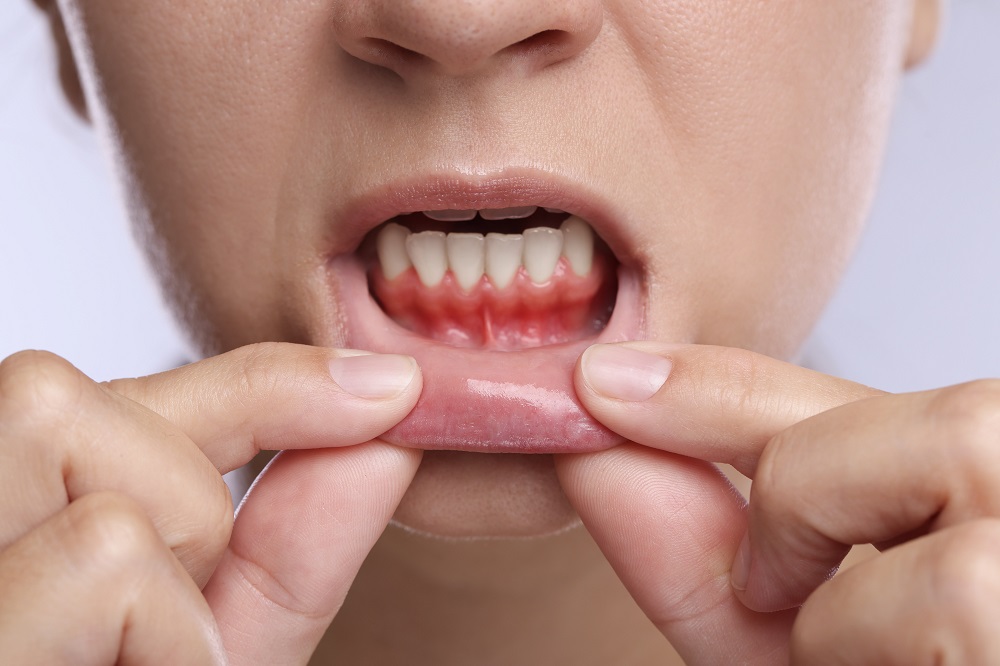
Healthy gums rarely get much attention until something feels off. A little bleeding while brushing, persistent bad breath, tenderness near the back molars, or teeth that suddenly seem more sensitive can all point to a problem that has been building quietly for years. Gum disease tends to be gradual, which is part of what makes it so deceptive. By the time discomfort appears, the supporting tissues around the teeth may already be under strain.
That is why modern periodontal care matters. It is no longer limited to the old image of deep cleanings and gum surgery as a last resort. Today, treatment is far more nuanced. Dentists and periodontists in Ventura are using better diagnostics, more conservative techniques, and maintenance strategies that fit real life. The goal is not simply to stop active disease. It is to preserve the natural teeth, stabilize the bite, reduce inflammation, and help patients keep the condition under control over time.
For anyone searching for Periodontal Treatment Ventura, it helps to understand what has changed and what good treatment actually looks like in practice. The best care is rarely a one size fits all plan. It depends on the severity of the disease, the anatomy of the gums and bone, the patient's medical history, and a realistic assessment of habits, stress, and home care.
Gum disease is more complex than many people realize
Periodontal disease begins with bacterial plaque accumulating along and below the gumline. If it is not removed consistently, it can harden into calculus and create an environment where harmful bacteria thrive. The body responds with inflammation. Early on, this may show up as gingivitis, which is often reversible. Once the inflammation begins to affect the bone and connective tissue that anchor the teeth, the condition becomes periodontitis.
That distinction matters. Gingivitis can improve with excellent cleaning and home care. Periodontitis requires more involved treatment because structural support has already been lost. Patients are often surprised to learn they can have very little pain even while significant damage is occurring. In Ventura practices, this comes up often with people who brush every day and assume bleeding gums are normal, or who postpone appointments because their teeth do not hurt.
Another layer of complexity is that periodontal disease does not progress the same way in every patient. Some people have generalized shallow inflammation across the mouth. Others have a few isolated deep pockets around specific teeth, often where old crowns, crowded teeth, grinding, or difficult root anatomy create problem areas. Smokers may show less visible bleeding despite more severe disease because nicotine alters blood flow. Patients with diabetes can have a harder time controlling gum inflammation, especially if blood sugar is inconsistent.
Modern care starts by recognizing these differences rather than treating every case the same way.
The shift toward earlier detection
One of the biggest improvements in periodontal treatment has been diagnostic precision. A thorough periodontal evaluation now goes beyond a quick look at the gums. It typically includes pocket depth measurements around each tooth, assessment of bleeding points, mobility testing, recession mapping, bite analysis, and radiographs to evaluate bone levels.
In many Ventura offices, digital imaging has made it easier to compare changes over time. Subtle bone loss that might have gone unnoticed years ago can now be tracked more accurately. In some cases, intraoral cameras help patients see what the clinician sees, which makes the diagnosis less abstract. When a person can actually view swollen tissue around the molars or a bridge margin trapping plaque, the treatment conversation becomes far more concrete.
Earlier detection changes the tone of care. Instead of waiting until a tooth is loose or a patient has recurrent abscesses, clinicians can intervene when disease is still manageable with non surgical treatment. That often means less discomfort, lower cost, and a much better long term prognosis.
Non surgical periodontal therapy has become more targeted
For many patients, the first active phase of treatment is scaling and root planing, often called deep cleaning. The phrase sounds simple, but good periodontal debridement is highly technique sensitive. It involves removing plaque, calculus, and bacterial deposits from below the gumline and smoothing the root surfaces so the tissue can heal and reattach as much as possible.
The modern difference is not that scaling and root planing is new. It is that it is now performed with better instrumentation, improved local anesthesia options, and a more selective understanding of where intensive cleaning is actually needed. Instead of treating the mouth as one uniform field, clinicians often focus on the sites with active disease while preserving healthy tissue.
Ultrasonic instruments have become especially useful. They use vibration and irrigation to disrupt deposits efficiently, including in deeper pockets and hard to access areas. Hand instruments still matter, particularly around root grooves, furcations, and delicate surfaces, but the combination often allows for a more thorough and less traumatic appointment. Patients who remember older deep cleaning experiences are often surprised by how manageable treatment feels today.
A practical point that experienced clinicians consider is scheduling. Some patients do better with treatment divided by quadrant over two visits. Others benefit from a full mouth approach completed in a shorter timeframe to reduce bacterial reinfection between appointments. There is no universally correct model. The right choice depends on disease distribution, comfort level, medical history, and the patient's ability to return promptly for follow up.
Why bacterial control is only part of the picture
A common misunderstanding is that periodontal treatment is just about removing bacteria. Bacteria are central, but they are not the whole story. The severity of gum disease reflects the interaction between the bacterial burden and the body's inflammatory response.
That is why two patients with similar plaque levels can present very differently. One may have mild gingivitis. Another may already have substantial pocketing and bone loss. Genetics, systemic health, medications, smoking, stress, clenching, sleep quality, and immune regulation all influence the outcome.
In practical terms, modern periodontal care often includes conversations that go beyond dentistry. A patient with dry mouth from medication may need a modified hygiene plan because reduced saliva changes the bacterial environment. Someone with poorly controlled diabetes may be advised to coordinate care with a physician because inflammation in the gums and blood sugar instability can worsen each other. A night grinder with isolated bone loss around certain teeth may need an occlusal guard to reduce overload during healing.
This broader view has made treatment more effective because it addresses why disease keeps returning, not just what can be cleaned away in one appointment.
Local antimicrobials and when they actually help
Adjunctive antimicrobials are often discussed in periodontal treatment, but they are best used selectively. In certain pockets that remain inflamed after thorough cleaning, a locally delivered antimicrobial agent may help reduce bacterial counts in a way that complements mechanical therapy. These products are placed directly into the pocket, where they release medication over time.
The key is judgment. They are not magic, and they cannot compensate for inadequate cleaning or poor home care. In well chosen cases, though, they can be useful, especially for isolated sites that are difficult to keep stable. Patients sometimes ask whether oral antibiotics are necessary. Usually, routine chronic periodontitis is managed without them. Systemic antibiotics may be considered in particular situations, such as aggressive patterns of disease, acute periodontal infections, or complex cases under specialist supervision.
A careful Ventura provider will usually avoid overpromising on adjuncts. Mechanical debridement, plaque control, and maintenance remain the foundation. Extras should serve the plan, not distract from it.
Laser therapy draws interest, but results depend on the case
Laser assisted periodontal therapy gets a great deal of attention, and for understandable reasons. Patients hear words like minimally invasive, precise, and faster healing. There is some value in those claims, but laser use in periodontics is best understood as a tool rather than a category of miracle treatment.
Lasers may be used to help manage inflamed tissue, reduce bacterial load, or assist during certain surgical procedures. In selected cases, they can support a conservative approach and improve patient comfort. What matters is not whether a practice has a laser. It is whether the clinician uses it with appropriate case selection and sound periodontal principles.
There are cases where traditional mechanical and surgical methods remain more predictable. Deep angular defects, extensive calculus, furcation involvement, and anatomical complexities often require direct access and excellent visualization. Technology helps, but it does not replace experience or diagnosis.
Patients looking for Periodontal Treatment Ventura should feel comfortable asking how a laser fits into their specific treatment plan. A thoughtful answer usually sounds measured, not promotional. If every condition is described as perfect for the same device, that is often a sign to ask more questions.
Regeneration is one of the most meaningful advances
One of the most encouraging developments in periodontics is regenerative treatment. In the right defect patterns, it may be possible to rebuild some of the bone and supporting structures lost to disease. This is not possible everywhere, and it is not guaranteed, but when the anatomy is favorable, the results can be significant.
Regenerative procedures often involve careful cleaning of the affected root surfaces and placement of materials such as bone grafts, barrier membranes, or biologic agents designed to support tissue healing. The success of these procedures depends heavily on defect shape, patient health, smoking status, and plaque control. A narrow deep defect between teeth may respond far better than broad generalized horizontal bone loss.
This is where specialist evaluation can be especially valuable. Not every deep pocket should automatically be referred for regeneration, and not every deep pocket can be saved with it. An experienced periodontist weighs the likely benefit against the cost, healing demands, and long term maintenance burden. Good periodontal care is often about choosing the treatment that has the strongest chance of staying stable five or ten years later, not simply the most ambitious procedure available today.
Gum grafting is not just cosmetic
Soft tissue grafting has become much more refined, and it serves a wider purpose than many patients expect. Receding gums can expose root surfaces, increase sensitivity, complicate brushing, and make future wear or decay near the roots more likely. In some people, recession is linked to prior periodontal disease. In others, it may result from thin tissue, tooth position, aggressive brushing, orthodontic movement, or bite trauma.
Modern grafting techniques aim to thicken fragile tissue, cover exposed roots when feasible, and create a more stable gum margin. Connective tissue grafts remain a reliable standard, though alternative materials may be considered in some cases. The conversation is rarely only about appearance. More often, it is about protecting a vulnerable tooth before the problem worsens.
There is also a timing question that matters. If active periodontal disease is still present, it usually makes sense to stabilize inflammation first. Grafting unhealthy tissue is not a recipe for success. Sequencing treatment properly is one of those less visible parts of good care that patients may not notice, but it affects results profoundly.
Surgery is more conservative than it used to be
The word surgery still makes many people uneasy, especially those who remember older generations talking about painful gum procedures. While any surgery deserves careful discussion, periodontal surgery today is typically more precise and conservative than many assume.
When non surgical therapy does not fully resolve deep pockets, surgical access may be the best way to clean root surfaces thoroughly, reshape problem tissue, or treat bone defects directly. The advantage is visibility. In areas where anatomy prevents complete cleaning from above the gumline, direct access can change the prognosis of a tooth.
Recovery varies, but most patients find it more manageable than expected, especially when treatment is carefully planned and postoperative instructions are clear. What helps most is honest expectation setting. Tenderness, temporary dietary changes, and altered brushing in the early healing phase are normal. Severe disruption is less common than people fear.
A mature treatment plan does not frame surgery as failure. It frames it as one option in a stepwise approach. Some mouths respond beautifully to deep cleaning and maintenance alone. Others need direct intervention to become maintainable.
Dental implants and periodontal history require caution
Implants are often part of the broader conversation, particularly when periodontal disease has already caused tooth loss or when a severely compromised tooth cannot be predictably saved. Yet patients with a history of periodontitis are not typical implant candidates by default. They carry a higher risk of inflammatory complications around implants if the underlying bacterial and behavioral issues remain unresolved.
This is where modern treatment philosophy has become more disciplined. Good clinicians do not rush to extract teeth and place implants simply because they are available. They first ask whether the mouth can maintain health around any restoration. If plaque control is inconsistent and periodontal maintenance has not stabilized the tissues, an implant may inherit the same inflammatory environment that damaged the natural teeth.
Sometimes saving a tooth with guarded prognosis is worth it because it buys time and function while the patient improves habits and control. Other times, replacing a hopeless tooth is the more sensible path. Both decisions require judgment. There is no virtue in preserving every tooth at all costs, and there is no wisdom in assuming an implant is immune to gum disease just because it is not a natural tooth.
Maintenance is where long term success is won
The least glamorous part of periodontal treatment is often the most important. Once active disease has been brought under control, patients usually move into periodontal maintenance. This is not the same as a routine cleaning. Maintenance visits are designed for mouths with a history of gum disease and typically occur more often, commonly every three to four months depending on risk.
At these visits, the clinician reassesses pocket depths, checks bleeding and tissue tone, removes deposits from above and below the gumline, reviews home care, and compares current findings with previous records. This ongoing surveillance matters because periodontal disease can recur quietly. A site that was stable six months ago can relapse if a restoration margin starts trapping plaque, a patient stops flossing around a bridge, or systemic health changes.
Many patients resist the idea of more frequent visits at first. Then they experience the difference. Their gums bleed less, breath improves, sensitivity settles, and the mouth feels easier to keep clean. More importantly, maintenance often prevents the kind of flare ups that lead to urgent treatment later.
A useful way to think about it is that active therapy changes the trajectory, but maintenance keeps it from drifting back.
What patients in Ventura should look for in a treatment plan
Not every office approaches periodontal care with the same depth. If a patient is evaluating options for Periodontal Treatment Ventura, it helps to look for signs of a thoughtful, individualized process rather than a generic sales pitch.
- A complete periodontal charting, not just a brief visual exam
- Clear explanation of pocket depths, bone loss, and what those findings mean
- Treatment matched to disease severity, anatomy, and medical history
- A maintenance plan after active care, with realistic intervals and goals
- Willingness to refer to or collaborate with a periodontist when needed
That final point is https://sergioazqm225.clearhavendigest.com/posts/how-deep-cleaning-fits-into-periodontal-treatment-ventura underrated. Strong general dentists often manage mild to moderate periodontal problems very well. Strong periodontists bring additional training for advanced surgery, regeneration, grafting, and difficult diagnostic situations. The best patient outcomes often come from collaboration rather than territorial thinking.
Home care has become more personalized
The old advice to brush better and floss more was never wrong, but it was often too vague to be useful. Modern periodontal care tends to be far more specific. A patient with large open spaces between teeth after bone loss may need interdental brushes more than floss. Someone with recession and sensitivity may need an ultra soft electric brush and a gentler angle at the gumline. A patient with crowded lower front teeth might do best with a water flosser as a practical daily tool, even if it is not a complete substitute for mechanical plaque removal in every area.
Small adjustments can make a major difference. Brushing too hard is a common issue, especially among highly motivated patients who think more pressure means better cleaning. In reality, aggressive brushing can worsen recession and leave plaque behind if the brush splay is uncontrolled. Another frequent problem is inconsistency around the back molars, where access is awkward and deposits mature quickly.
The best home care plan is not the most elaborate one. It is the one a patient will actually do thoroughly most days of the week.
Questions worth asking before treatment starts
Patients often feel rushed during dental visits, and that can make periodontal recommendations hard to process. A few grounded questions can bring real clarity.
- What stage is my gum disease, and which teeth or areas are most affected?
- Is the goal to reverse inflammation, stabilize bone loss, regenerate support, or all three where possible?
- What results should I realistically expect after the first phase of treatment?
- How will we know if the treatment is working?
- What happens if certain pockets do not improve?
These questions shift the conversation from procedure names to outcomes. That is where meaningful consent happens. A patient deserves to know not only what is being done, but what the likely path looks like if healing goes as expected, and what the next step is if it does not.
The Ventura factor: local habits, lifestyles, and practical realities
Ventura patients bring a mix of circumstances that shape periodontal care in subtle ways. Coastal living, active outdoor routines, long workdays, and a broad age range from young families to retirees all influence how treatment gets delivered and maintained. Some patients are diligent with cleanings but postpone specialist care because symptoms seem minor. Others move in and out of the area and lose continuity, which can be a problem for a condition that benefits from regular follow up.
There is also a practical side to treatment planning in any community. If a patient has a long commute, shift work, or caregiving responsibilities, the best plan may be one that reduces the number of appointments even if another option is theoretically ideal. If cost is a concern, clinicians may need to prioritize the sites that most affect prognosis first and phase treatment over time. Good periodontal care is not only biologically sound. It is workable in the context of a patient's actual life.
That kind of realism is often what determines success. Perfect plans fail when they ignore logistics. Modest plans succeed when they are done well and maintained consistently.
What modern periodontal treatment is really aiming for
The most important change in periodontal care is not any single device, medication, or procedure. It is a broader shift toward preservation, precision, and long term management. Modern treatment tries to identify disease earlier, intervene more selectively, and support healing in ways that respect both biology and daily life.
For some patients, that means a deep cleaning, tailored home care, and maintenance every few months. For others, it means regenerative surgery, grafting, bite adjustment, or coordinated care with a medical provider. The common thread is that the treatment should be individualized, measurable, and honest about its goals.
When periodontal disease is handled well, the payoff reaches beyond the gums. Teeth feel more stable. Breath improves. Chewing becomes more comfortable. The mouth is easier to maintain. Most of all, patients regain a sense that the problem is understandable and manageable, rather than something vague that keeps returning without explanation.
That is what people should expect when they seek Periodontal Treatment Ventura today: not just treatment, but a disciplined plan to keep the foundation of the mouth healthy for years to come.
Avra Dental
Address: 1708 S Victoria Ave B, Ventura, CA 93003
Phone number: (805) 941-1001
FAQ About Periodontal Treatment Ventura
Can a dentist get rid of periodontal disease?
A dentist or gum specialist (periodontist) cannot fully cure or reverse advanced periodontal disease (periodontitis), but they can successfully stop its progression and manage the infection.
Is periodontitis very serious?
Yes, periodontitis is a very serious, advanced form of gum disease that destroys the bone and tissues supporting your teeth.
How is stage 2 periodontal disease treated?
Stage 2 periodontal disease (early to moderate periodontitis) is primarily treated with non-surgical deep cleaning procedures like scaling and root planing to remove bacteria and tartar below the gumline.