Gum Disease Treatment for Seniors: Special Considerations
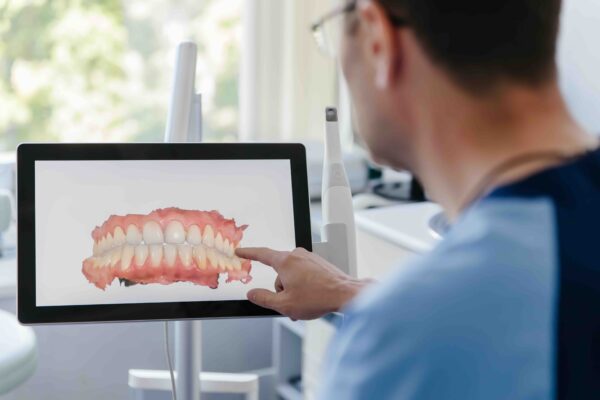
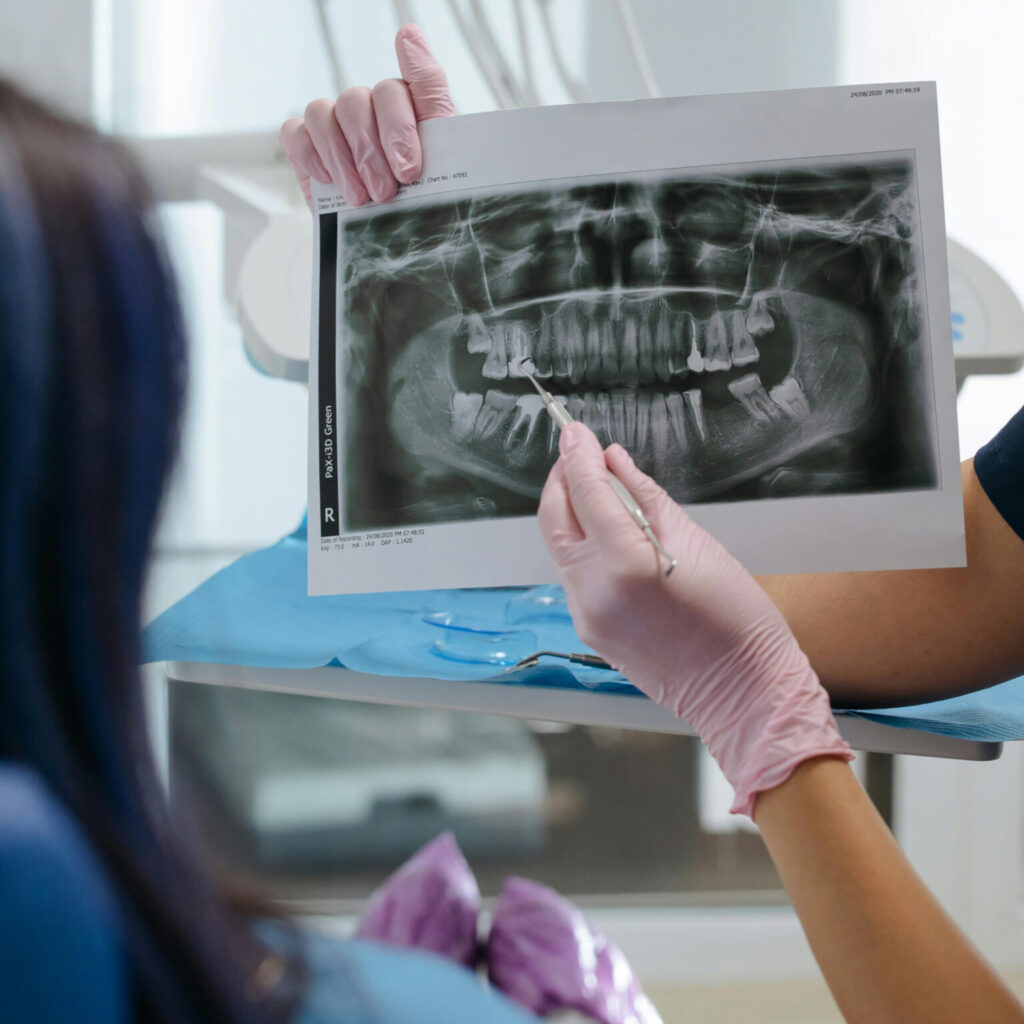
Gum disease rarely arrives as a dramatic event. More often, it creeps in quietly over years, then becomes harder to ignore in later life. A little bleeding during brushing. Tender gums around an old bridge. Breath that never quite feels fresh. A lower denture that used to fit well, but now rocks when chewing. By the time many older adults seek care, the problem is no longer limited to inflamed gums. It may involve bone loss, exposed roots, shifting teeth, trouble eating, and the cumulative effects of medications and medical conditions that change how treatment must be planned.
That is why gum disease treatment for seniors deserves its own conversation. The biology is different, the risks are different, and the goals are often broader than simply removing infection. A thoughtful treatment plan has to protect comfort, preserve function, and fit the reality of an older person’s daily life. For one patient, that means keeping natural teeth stable for years. For another, it means reducing pain and infection around a few strategically important teeth that support a partial denture. For someone living with arthritis, memory loss, or limited mobility, the best treatment may be the one that can actually be maintained at home.
Dentists and periodontists who treat older adults regularly learn a simple lesson: success depends as much on judgment as on technique. Cleaning infected pockets matters. So do bone levels, X rays, and probing depths. But the details outside the mouth often matter just as much, sometimes more.
Why gum disease can become more complicated with age
Aging itself does not automatically cause periodontal disease. Plenty of seniors have healthy gums. The challenge is that the conditions surrounding aging often create a perfect setup for gum problems to start, progress, or become harder to manage.
Dry mouth is one of the biggest factors. Many older adults take several medications at once, including blood pressure drugs, antidepressants, antihistamines, bladder medications, and medicines for Parkinson’s disease or anxiety. A common side effect is reduced saliva. Saliva protects oral tissues, helps buffer acids, and clears debris. When the mouth stays dry, plaque tends to accumulate faster, tissues become more irritated, and root surfaces become vulnerable.
Recession adds another layer. Over time, gums may naturally pull back a bit, exposing root surfaces that were never meant to face the wear and bacteria of the oral environment. Root surfaces are softer than enamel, so they collect plaque more easily and can decay faster. In practical terms, that means an older patient may have both gum disease and root decay at the same time, with each problem making the other harder to control.
Dexterity also changes treatment outcomes. A person with hand arthritis may fully understand oral hygiene instructions and still be physically unable to floss under a bridge or angle a toothbrush effectively along the gumline. Tremor, stroke history, vision loss, and shoulder limitations can all interfere with daily plaque removal. Clinically, this matters because even excellent in-office gum disease treatment will not hold if the mouth cannot be kept clean between visits.
Then there is the issue of existing dental work. Seniors often have decades of restorative history: crowns, fixed bridges, implants, old fillings with rough margins, partial dentures, full dentures, or combinations of all of them. These restorations can be lifesaving from a functional standpoint, yet some create plaque traps that complicate periodontal care. When a bridge margin sits below the gumline or a clasp hugs a tooth tightly, inflammation can linger despite honest effort.
The first question is not “How bad is the gum disease?”
A full periodontal exam still matters, of course. Pocket depths, bleeding points, tooth mobility, recession, bone levels, furcation involvement, suppuration, and plaque patterns all help define the disease. But in older adults, a good clinician usually asks a broader first question: what does this person need from treatment, and what can they realistically tolerate and maintain?
That shift in thinking changes everything. An active 72-year-old with controlled diabetes, excellent mobility, and a strong desire to keep every tooth may be an ideal candidate for comprehensive scaling and root planing, possible periodontal surgery, and regular maintenance every three or four months. An 89-year-old with advanced dementia, swallowing difficulty, and severe anxiety in the dental https://linktr.ee/dentalgroupofbeverlyhills chair may need a palliative approach focused on reducing infection, eliminating painful areas, and simplifying home care rather than pursuing textbook perfection.
Those are not signs of lower standards. They are signs of intelligent care.
Medical conditions that shape treatment decisions
Several common health issues in seniors affect both the progression of gum disease and the way it should be treated.
Diabetes is a familiar example. Poorly controlled blood sugar tends to worsen periodontal inflammation and slow healing. The relationship also goes in the other direction, since active periodontal infection can make blood glucose control more difficult. In practical terms, gum disease treatment often works best when dental and medical care are coordinated. If a patient’s A1C is running high or glucose is erratic, that does not always mean treatment must wait, but it does mean expectations and healing timelines should be adjusted.
Heart disease and blood pressure issues influence treatment planning as well. Many seniors take anticoagulants or antiplatelet drugs. Years ago, patients were commonly told to stop them before dental procedures. Today, that decision is approached far more carefully because interrupting those medications can carry serious medical risks. Routine periodontal therapy can often be performed without changing the medication, with local measures used to control bleeding. The point is not that bleeding is irrelevant, but that medication changes should be deliberate and coordinated, not casual.
Osteoporosis and medications used to treat it can enter the conversation, particularly if extractions, implants, or more invasive periodontal surgery are being considered. Chronic kidney disease, autoimmune conditions, and cancer therapy may also alter healing, infection risk, or medication choices.
Cognitive decline is another major consideration, and one that families sometimes underestimate. Patients with mild memory issues may still tolerate care well, but they may forget instructions, skip rinses, or become inconsistent with cleaning devices. Patients with more advanced impairment may resist treatment, bite unexpectedly, or struggle to understand what is happening. In those cases, the “best” gum disease treatment is often the one that minimizes trauma and can be repeated safely.
Dentures, implants, and the hidden periodontal story
When people hear “gum disease,” they often picture natural teeth only. In seniors, the picture is wider.
A patient wearing full dentures may still develop inflammation in the tissues under the denture, especially if the appliance is worn overnight, cleaned poorly, or no longer fits well. That is not periodontitis in the classic sense, but it can produce soreness, fungal overgrowth, and tissue breakdown that complicate eating and speaking. Bone loss under dentures can also change fit gradually, causing rubbing points and instability that make oral hygiene harder.
Partial dentures deserve special attention. The teeth that support them often face greater plaque retention and mechanical stress. It is common to see gum disease progress faster around abutment teeth if the partial is old, poorly designed, or rarely removed for proper cleaning.
Implants are another area where assumptions cause problems. Older adults may have implants placed years earlier and believe those teeth are “safe” from gum disease. Implants cannot get cavities, but the surrounding tissues can absolutely become inflamed or infected. Peri-implant mucositis and peri-implantitis are real concerns, especially in mouths with a history of periodontitis, smoking, diabetes, or inconsistent maintenance. In many seniors, effective gum disease treatment means caring for teeth and implants as part of one system, not as separate categories.
Symptoms that deserve prompt attention
Some older adults normalize changes that should be evaluated quickly. Others feel no pain and assume nothing serious is happening. Gum disease can stay surprisingly quiet until significant damage has already occurred. These signs should not be brushed off:
- gums that bleed repeatedly during brushing, flossing, or eating
- persistent bad breath or a bad taste that does not improve with cleaning
- teeth that feel looser, longer, or different when biting
- tenderness, swelling, or pus near the gums
- dentures or partials that suddenly fit differently without an obvious reason
A tooth does not need to hurt for there to be active infection. That is especially true in older adults with reduced sensation, multiple restorations, or diminished awareness of slow changes over time.
What gum disease treatment usually looks like in seniors
For many seniors, treatment begins with non-surgical periodontal therapy, usually scaling and root planing. This involves carefully removing plaque, tartar, and bacterial buildup from above and below the gumline, then smoothing root surfaces so the tissues can heal more effectively. When done well, this is not a cosmetic cleaning. It is a medically focused procedure intended to reduce the bacterial burden and calm chronic inflammation.
Response varies. Some patients improve dramatically after this phase, especially when home care is strengthened and maintenance visits are scheduled consistently. Others still have deep pockets, furcation involvement, or areas that trap infection. In those cases, additional treatment may be recommended. That could include localized antimicrobial therapy, periodontal surgery, extraction of hopeless teeth, or referral to a periodontist.
In seniors, the decision to move beyond non-surgical care depends on more than pocket depth. Suppose an 80-year-old has one molar with advanced bone loss but no pain, while the rest of the mouth is stable. If that tooth contributes little to chewing and cleaning it is nearly impossible, extraction may be more predictable than repeated rescue efforts. On the other hand, if a tooth anchors a well-functioning partial denture and surgery could preserve it comfortably, the balance may tip the other way.
That is where experience matters. Not every diseased tooth should be saved at any cost, and not every compromised tooth should be removed quickly. The right answer often depends on the patient’s goals, support system, medical resilience, and financial realities.
The overlooked role of maintenance
Periodontal maintenance is where long-term results are won or lost. After active gum disease treatment, seniors often need professional cleanings more often than the standard twice-a-year schedule. Every three to four months is common for patients with a history of moderate to severe periodontitis.
This is not because the first treatment failed. It is because periodontal disease is a chronic condition with a tendency to recur. In older adults, that tendency can be stronger when saliva is reduced, dexterity is limited, or plaque traps are built into old dental work.
Regular maintenance visits let the dental team do more than remove buildup. They allow the clinician to compare pocket depths over time, watch suspicious implant sites, evaluate whether a bridge margin is inflaming tissue, spot root decay early, and catch changes in oral hygiene ability before they become destructive. I have seen patients hold their periodontal health for years largely because someone noticed a small decline early and adjusted the home-care plan rather than waiting for a crisis.
Home care must be adapted, not merely prescribed
One of the most common mistakes in senior dental care is handing out generic brushing and flossing instructions without considering whether the patient can physically do them. Advice only helps if it fits the person using it.
For an older adult with strong hands and good vision, a powered toothbrush and interdental brushes may work beautifully. For someone with arthritis, a thickened handle or a brush with a larger grip can make the difference between daily use and quiet abandonment. Water flossers can be useful for some patients with bridges, implants, or reduced dexterity, though they should not be treated as magic devices that replace all mechanical cleaning. For others, especially frail patients who fatigue easily, a simple soft brush used thoroughly twice a day may be more realistic than a complicated regimen they will never follow.
Caregivers often become part of the plan. This requires tact. Many seniors resist help with oral hygiene because it feels infantilizing or invasive. Families may also hesitate, unsure of how involved they should be. When handled well, caregiver support can prevent recurrent periodontal infections, especially for patients with cognitive decline or limited hand function.
A practical home-care routine is usually better than an ambitious one. The best protocol is the one that can be repeated on ordinary days, not just on the patient’s most energetic morning.
Dry mouth changes everything
Dry mouth deserves special emphasis because it is both common and underestimated. Patients often describe it vaguely: food sticks, they need water by the bed, speaking for long stretches feels difficult, or their mouth feels “cottony” in the afternoon. Clinically, the consequences go beyond comfort. Dry tissues irritate more easily, plaque gets tackier, root decay risk rises, and dentures can become less stable and more abrasive.
Addressing dry mouth may involve medication review with a physician, hydration strategies, saliva substitutes, sugar-free xylitol products when appropriate, and fluoride support to protect exposed roots. Seniors with severe dry mouth often need closer monitoring because even well-executed gum disease treatment can be undermined if the oral environment remains hostile.
Nutrition, chewing, and quality of life
Periodontal health is not just about keeping pockets shallow. It affects what seniors are willing and able to eat. When gums are sore or teeth feel loose, people often drift toward softer, more processed foods. Crunchy vegetables, firmer proteins, seeded breads, and fibrous fruits may gradually disappear from the diet. Sometimes family members do not notice until weight loss or nutritional imbalance becomes obvious.
This matters during and after treatment. A patient who cannot chew well may heal more slowly or struggle to maintain overall health. It also matters psychologically. The ability to eat comfortably in public, enjoy a favorite meal, or speak without worrying about loose dentures is tied closely to dignity. Good periodontal care protects those everyday functions.
Surgery in older adults: sometimes useful, sometimes unnecessary
Age alone does not rule out periodontal surgery. Healthy seniors often tolerate procedures well, especially when treatment is targeted and the expected benefit is clear. Flap surgery, osseous recontouring, regeneration in selected defects, crown lengthening, and soft tissue grafting can all be appropriate in the right patient.
What changes with age is the threshold for recommending surgery and the precision required in selecting cases. Healing may be slower. Transportation may be harder to arrange. Medication schedules may be complex. A long appointment can exhaust a patient who otherwise looks robust on paper. If surgery is likely to offer only marginal improvement in a site that does not affect comfort or function, many clinicians will lean toward conservative management. If it can preserve a key tooth, improve cleanability, or control recurrent infection predictably, surgery may be the most sensible path.
I have seen both extremes mismanaged: frail patients pushed into aggressive procedures they were unlikely to maintain, and vigorous older adults denied helpful care simply because of their age. Neither approach serves patients well.
The financial and practical side of care
Cost influences dental decisions at every age, but it often becomes more acute in retirement. Seniors may be balancing dental needs against medication costs, caregiving expenses, transportation, or fixed monthly income. That reality should be discussed plainly, without embarrassment.
Sometimes the most responsible treatment plan is not the most comprehensive one. It may focus first on controlling active infection, stabilizing strategically important teeth, and creating a maintenance plan the patient can sustain. Dentistry is full of ideal scenarios. Real life usually requires prioritization.
Transportation and appointment stamina also deserve attention. A plan that requires multiple long visits may fail simply because the patient cannot get to the office reliably or becomes too fatigued to tolerate the chair comfortably. Breaking care into shorter visits often improves both cooperation and outcomes.
Preparing for periodontal visits can make treatment easier
A little preparation can make dental care less stressful and safer for older adults, especially those with complex health histories. The most useful steps are simple:
- bring an up-to-date medication list, including blood thinners, osteoporosis drugs, and diabetes medications
- schedule visits at the time of day when energy, mobility, and blood sugar control are usually best
- wear hearing aids and glasses if they help with communication and consent
- tell the dental team about joint replacements, heart conditions, swallowing issues, or past problems with numbness or bleeding
- arrange a caregiver or family escort when memory, anxiety, or physical limitations could affect the visit
These details may seem small, but they often determine whether treatment proceeds smoothly or becomes unnecessarily complicated.
When saving every tooth is not the right goal
This is one of the hardest conversations in senior dentistry, and one of the most important. There are times when a relentless effort to preserve every natural tooth creates more burden than benefit. Recurrent abscesses, severe mobility, repeated emergency visits, and complex cleaning demands can wear a patient down. If a tooth is painful, unstable, and strategically unimportant, removal may improve comfort and simplify care. If several teeth are failing in a mouth that can no longer be maintained predictably, a transition to a more manageable prosthetic plan may be kinder than repeated patchwork treatment.
That said, extraction should never be treated lightly. Teeth anchor function, identity, speech, and self-confidence. Older adults often carry a long memory of past dentistry and may fear losing control over what happens next. The conversation should be careful, honest, and specific. What problem is the tooth causing? What would it take to keep it? How likely is success? What would life look like without it? Patients usually handle difficult decisions well when they are respected enough to be given the real trade-offs.
The best outcomes come from individualized care
There is no single formula for gum disease treatment in seniors because seniors are not a single type of patient. A healthy 68-year-old cyclist, a 79-year-old with Parkinson’s disease, and a 91-year-old in assisted living may all have periodontal disease, but the right plan for each will look different.
The strongest care combines sound periodontal principles with realistic adaptation. It weighs inflammation, bone support, restorations, dexterity, saliva, medications, cognition, and quality of life together. It also respects that success is not always measured by a perfect chart. Sometimes success means stopping bleeding and preserving chewing comfort. Sometimes it means keeping a few key teeth stable. Sometimes it means preventing infection from becoming pain, hospitalization, or nutritional decline.
When clinicians, patients, and families treat periodontal care as part of whole-person health rather than a narrow dental task, results are better. Older adults do not need generic advice or automatic assumptions. They need care that meets them where they are, protects what matters most, and stays workable long after the appointment ends.
Dental Group Of Beverly Hills
Address: 8641 Wilshire Blvd #125, Beverly Hills, CA 90211
Phone number: +13109296335
FAQ About Gum Disease Treatment
How to improve gum health quickly?
To improve gum health quickly, eliminate plaque buildup by brushing for two full minutes twice a day at a 45-degree angle to the gumline. Floss daily to clean under the gumline, and rinse with an antimicrobial, alcohol-free mouthwash. For immediate relief of soreness, use a warm saltwater rinse.
What is the fastest way to cure gum disease?
To quickly cure early-stage gum disease (gingivitis), eliminate the plaque buildup causing the inflammation. Brush gently but thoroughly for two minutes twice daily, floss daily, and use an antibacterial mouthwash or a warm saltwater rinse. However, if tartar has hardened, professional treatment is necessary.
How do I treat my gum disease at home?
You can treat early gum disease at home by practicing strict daily oral hygiene, rinsing with salt water or antibacterial mouthwash, and quitting smoking. True gum disease (especially advanced forms like periodontitis) cannot be fully cured at home once tartar forms, and you must see a dentist for professional cleanings.